
|
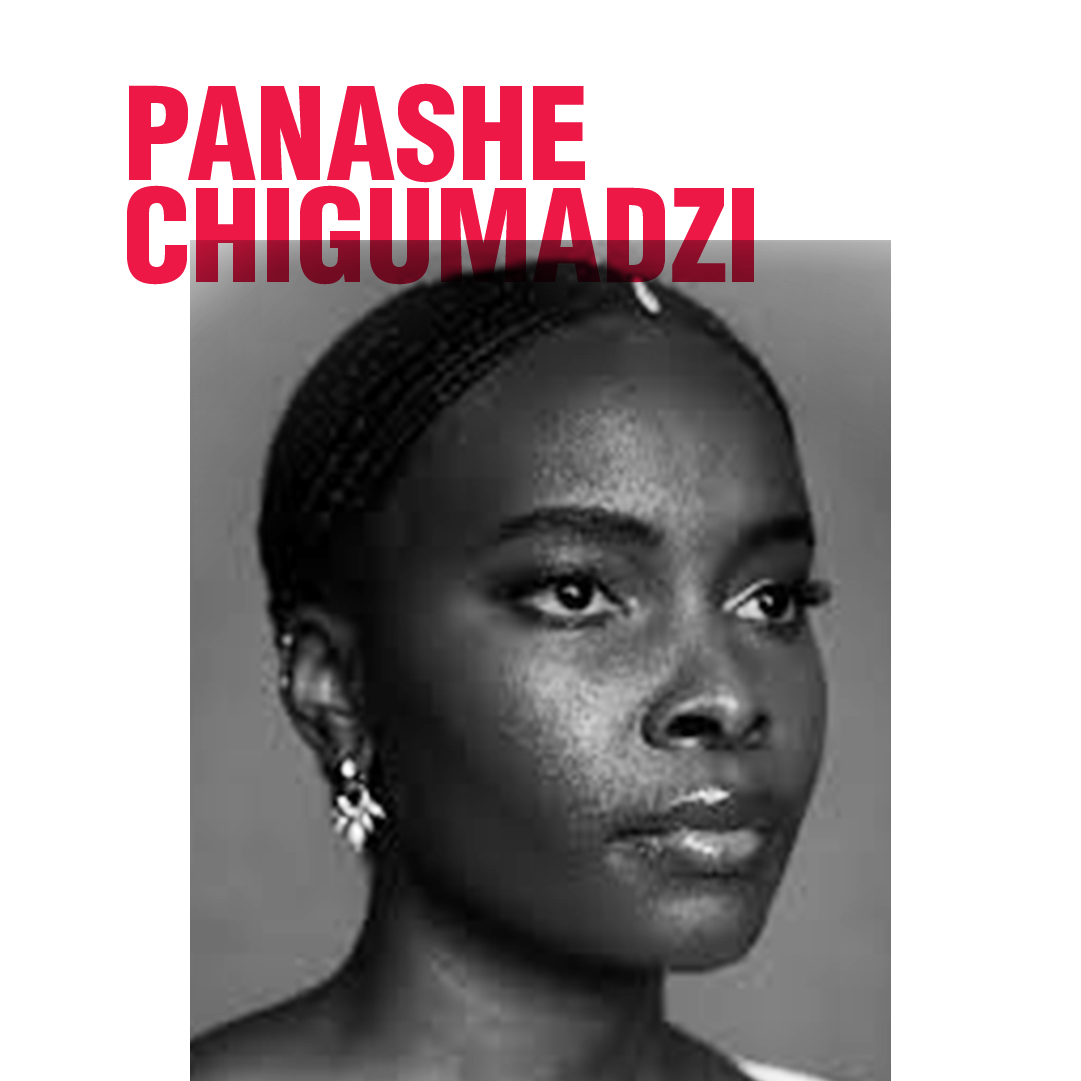
Panashe Chigumadzi was born in independent Zimbabwe and moved to South Africa at a young age with her parents. It was the year that freedom fighter Nelson Mandela became the president of South Africa, 1994.
In February 2022, she spoke at the annual Nelson Mandela Lecture about Rutte's "apologies for slavery." Panashe found the apologies to be a mockery. She questioned what €200 million for education and awareness truly meant. It did not outweigh centuries of economic, political, social, and spiritual crimes against her people. She considered it an insult that no input was sought from the descendants of enslaved individuals in the Caribbean and Africa: ‘Ityala aliboli, a crime does not spoil, is a saying in Xhosa. But we also ask: Nixolisa ngani, with what do you offer your apologies? If you want to restore such a relationship, you must offer something; it cannot remain mere words.’ According to Panashe, reparations can take various forms. It should also cost something to the former oppressor; otherwise, they continue to benefit from it. ‘Reparations can even mean the end of the world as we know it.’ |
Openingstijden/Opening TimesWoensdag/Wednesday 11.00 - 17.00 uur
Donderdag/Thursday 11.00 - 17.00 uur Vrijdag/Friday 11.00 - 17.00 uur Zaterdag/Saturday 11.00 - 17.00 uur Onze nieuwe locatie in Amsterdam Zuidoost is geopend. Neem contact op via de pagina contact voor rondleidingen buiten het programma. We moved to South East Amsterdam. Contact us via the page contact for tours outside our program. |
(Rolstoel)toegankelijkheid/Accessibility
Momenteel beschikt The Black Archives niet over een speciale ingang en lift voor personen met een fysieke beperking en voor rolstoelgebruikers.
At this moment, The Black Archives does not have a special entrance or lift for person of disability. |